
Senior Addiction Support: A Dignified Guide to Private Recovery in 2026
Updated: Aug 18

You see the confusion in their eyes, the slight tremor in their hands, or the sudden withdrawal from Sunday dinners, and you tell yourself it's just the natural progression of age. But for over 4.6 million American adults over 65, the reality isn't simply aging; it's a quiet, misunderstood struggle that requires specialized senior addiction support. It's a heavy burden to carry, especially when you fear that seeking help means "warehousing" a loved one in a clinical institution or stripping them of their hard-earned autonomy. You want to protect their dignity, not see their legacy reduced to a cold diagnosis.
We understand the exhaustion of second-guessing every symptom and the deep-seated shame that often keeps families silent. You're not alone in wanting a higher standard of care. This guide introduces a sophisticated approach to recovery, focusing on how private coaching and the Elder Coach model provide a path to sobriety that's both medically integrated and profoundly respectful. We'll explore how to maintain a senior's independence through at-home accountability and elite coordination, ensuring they receive the specialized care they need without sacrificing the comfort of the life they've built.
Table of Contents
Understanding Late-Onset Addiction: The Invisible Crisis in Seniors
The struggle isn't always loud. It doesn't always look like the stereotypes we've been taught to expect. In 2023, data showed that more than 4.6 million American adults aged 65 or older were living with a substance use disorder. This is what experts call the "invisible epidemic." Late-onset addiction often begins as a quiet response to the profound transitions of aging; retirement, the loss of a spouse, or a new chronic pain diagnosis can create a vacuum that substances like alcohol or prescription benzodiazepines quickly fill. Holistic senior addiction support recognizes that these behaviors aren't moral failings. They're complex coping mechanisms within an aging system. This specialized framework integrates medical coordination with deep emotional empathy to address the whole person.
Why Senior Addiction Often Goes Unnoticed
Isolation is a silent enabler. When a senior lives alone, their daily routines remain private. No one sees the extra glass of wine at lunch or the reliance on sleep medication to navigate a lonely evening. There's also a heavy weight of generational stigma to consider. Many older adults grew up in an era where addiction was viewed as a character flaw. This makes them far less likely to self-report or ask for help. Additionally, the line between therapeutic prescription use and misuse is incredibly thin. What starts as a doctor-approved script for anxiety can quietly evolve into a dependency that the individual feels they must hide to maintain their dignity.
The Dangers of Misinterpreting Signs of Aging
We often excuse the symptoms of substance misuse by attributing them to the passage of time. A fall is labeled as general frailty. Forgetfulness is dismissed as a "senior moment." Slurred speech is feared to be the onset of dementia. In reality, these are frequently the physical manifestations of substance interactions or alcohol misuse.
Without a professional assessment from a geriatric recovery specialist, these signs are easily misdiagnosed. This is dangerous; treating dementia when the root cause is substance-related can lead to further medical complications. Effective senior addiction support, such as the specialized care provided through The Elder Coach NY, requires looking past the mask of age to see the person's reality. Common signs that require a closer look include:
Unexplained bruising or frequent "accidental" falls.
Sudden changes in sleep patterns or appetite.
Irritability or withdrawal from family traditions and hobbies.
Confusion that seems to fluctuate significantly throughout the day.
Understanding these nuances is the first step toward building a sustainable path forward. It's about replacing suspicion with a methodical, compassionate strategy that respects the senior's history while securing their future. By identifying these triggers early, families can move from a state of worry into a proactive, organized plan for healing.
Why Traditional Rehab Models Often Fail the Senior Population
Sending a parent or spouse to a generic treatment center often feels like a betrayal. You're likely worried about them being "warehoused" in a clinical environment that doesn't respect their history, their status, or their specific physical needs. Standard inpatient programs are frequently designed for a younger demographic; they prioritize high-volume throughput over the nuanced, high-touch care required for older adults. This misalignment often leads to a "revolving door" effect. A senior might achieve short-term sobriety in a clinical bubble, but without addressing the specific systems and triggers of their home life, they remain vulnerable to relapse the moment they return to their familiar environment.
The Disconnect in Multi-Generational Group Therapy
Imagine a 75-year-old retired executive sitting in a group session with a 20-year-old. The life stages are worlds apart. While the younger individual is navigating identity and early-life trauma, the senior is often processing profound grief, physical decline, or the loss of professional status. This generation gap makes it difficult to form the peer-level bonds essential for long-term healing. Instead of finding connection, the senior often feels like an outlier. This disconnect doesn't just hinder progress; it can inadvertently deepen the shame they already feel about their struggle, making them withdraw further into themselves.
Medical and Mobility Challenges in Standard Facilities
Most facilities operate on a rigid, fast-paced schedule that doesn't account for the physical realities of aging. A standard program might require navigating large campuses or adhering to exhausting daily agendas that don't allow for the rest a senior requires. More importantly, these programs often lack the specialized expertise to manage complex, co-occurring geriatric health issues alongside addiction. Effective senior addiction support must be agile enough to coordinate with existing medical teams while respecting the individual's need for a slower, more dignified pace. At-home care coordination provides a far more stable foundation, allowing for recovery to happen in a safe, familiar setting.
Private recovery coaching offers a sophisticated alternative to this clinical isolation. Rather than removing the individual from their life, we work within it to build a foundation of accountability and health. By addressing the environment where the substance use actually occurs, we create a sustainable path that respects the senior's autonomy. If you're looking for a more personalized and less disruptive path, exploring private recovery coaching can provide the bespoke oversight your family needs without the trauma of institutionalization.
The 'Elder Coach' Model: A Bespoke Approach to Senior Recovery
Recovery for a senior isn't a destination; it's a structural renovation of their daily life. The 'Elder Coach' model rejects the idea of clinical isolation, opting instead for a systems-based approach where dignity remains intact. By acting as the "Architect of Recovery," a specialized coach designs a framework that supports the whole person within their own environment. This involves more than just sobriety. It's about movement, rebuilding, and navigation through the unique complexities of aging. This philosophy ensures that the individual doesn't feel like a patient, but like a participant in their own renewal.
Integrated Mental Health Case Management
Senior recovery is often complicated by a web of medical providers. A coach serves as the primary liaison between neurologists, cardiologists, and mental health professionals, ensuring that every specialist works toward the same goal. This coordination provides families with a single, reliable point of contact, reducing the exhaustion of managing multiple care plans. You can learn more about this strategic oversight through Private Mental Health Case Management, which functions as the foundation for sustainable change by aligning medical needs with mental health goals.
Sober Companions and Safe Transitions
High-risk periods, such as traveling between seasonal residences in NYC and South Florida, require an extra layer of security. Sober Companions & Safe Transport provide 24/7 presence to ensure safety during these vulnerable windows. These companions aren't just monitors. They are active participants in the senior's daily routine, providing accountability during social events or periods of isolation. This level of senior addiction support allows for a seamless transition without the disruption of an institutional stay, keeping the individual's lifestyle and privacy protected at all times.
Ultimately, The Elder Coach NY specialty is designed to meet the elite needs of high-net-worth families. It offers a level of discretion and methodical strategy that traditional models simply cannot match. We focus on creating a solid foundation where routines are rebuilt and autonomy is protected. This isn't just about stopping a behavior. It's about architecting a life that is worth living, grounded in human connection and professional coordination. By integrating these services, we provide a "calm in the storm" for families who have been navigating the crisis of late-onset addiction alone.
Navigating the Conversation: Supporting an Aging Loved One
It's a delicate balance. You want to help, but you're likely afraid of the pushback or the look of betrayal in their eyes. Approaching a parent or spouse about their substance use requires a fundamental shift in perspective. Traditional "tough love" tactics, often popularized by reality television, frequently backfire with the senior population. These methods can lead to deep resentment or further isolation, causing the individual to withdraw into the very habits you're trying to break. Effective senior addiction support starts with a collaborative approach that preserves their dignity while addressing urgent safety risks.
The 'Invitation to Change' Methodology
Confrontation rarely works for a generation that prizes privacy and self-sufficiency. Instead of an ultimatum, we utilize the Invitation to Change (ITC) model. This framework focuses on empathy and evidence-based strategies rather than shame. It encourages the senior to see recovery not as a punishment, but as a path back to the hobbies, family connections, and health they value. By changing how we communicate, we lower their defenses and make treatment feel like a shared decision rather than an imposed sentence.
Professional Crisis Intervention for Families
Sometimes, the situation has progressed beyond a simple family talk. If there are immediate medical risks, frequent falls, or if the senior is in a state of deep denial, professional Intervention & Emergency Services become necessary. A professional interventionist manages the heavy emotional lifting for the family. They handle the complex logistics of the transition, ensuring the senior feels supported rather than cornered. This is especially vital for high-profile families in NYC or the Hamptons, where discretion is paramount and the emotional stakes are incredibly high.
When you sit down for that first conversation, prioritize health and safety over labels. Avoid words like "addict" or "alcoholic," which carry heavy generational stigma. Instead, focus on specific, observable behaviors. For example, saying "I'm concerned about how your evening drinks are affecting your balance and sleep" is far more effective than "You have a drinking problem." This keeps the focus on their well-being, making it harder for them to dismiss your concerns as an attack on their character. You're not looking to win an argument; you're looking to build a bridge to a safer future.
Private Recovery Systems in NYC, the Hamptons, and South Florida
Concierge recovery means the support comes to you. In 2026, the standard for elite senior addiction support has moved away from institutionalizing people and toward rebuilding their lives in place. Whether it's a brownstone in Manhattan, a waterfront estate in the Hamptons, or a seasonal residence in South Florida, the goal is a "360-degree view" of the individual's environment. We don't just look at the substance use; we analyze the routines, the social circles, and the household systems that either support or hinder sobriety. This personalized oversight ensures that recovery isn't a temporary break from reality, but a new way of living within it.
Discreet Support for High-Net-Worth Individuals
Privacy isn't just a preference for high-profile families; it's often a professional and social necessity. Families in Westchester, Boca Raton, and the Hamptons require a level of discretion that traditional, insurance-based facilities simply can't provide. By operating on a private-pay model, we eliminate the paper trails and public-facing admissions processes that often deter seniors from seeking help. This sophisticated approach allows for Discreet Addiction Help for Executives and their families, providing elite coaching that fits into a high-functioning lifestyle without the disruption of a clinical stay. It's about maintaining your legacy while securing your health.
Building a Sustainable Foundation at Home
The first 90 days of recovery are the most volatile. This is especially true for seniors, whose habits are often deeply ingrained over decades of high-level performance. We focus on customizing the home environment to minimize triggers and maximize safety from day one. This methodical strategy builds a foundation that lasts, focusing on practical daily routines rather than just abstract theory. Key components of this at-home foundation include:
Coordination with household staff to ensure a supportive, sober environment.
Implementing daily accountability routines that mirror the senior's previous high-functioning habits.
Safety audits to prevent falls or medication mismanagement during the early stages of sobriety.
Integrated mental health check-ins that respect the senior's privacy and comfort.
We aren't interested in quick fixes that fail once the oversight is removed. Instead, we act as the architect of a permanent, supportive system that evolves with the individual. If you're ready to explore how this level of private, empathetic oversight can help your family navigate this crisis, it's time to speak with an expert who understands the unique pressures of your world and the weight of the situation you're facing.
Securing a Legacy of Health and Autonomy
The path to sobriety for an older adult doesn't have to involve the trauma of clinical isolation or the loss of independence. You've seen how specialized senior addiction support moves beyond the "revolving door" of traditional rehab; it focuses instead on the architectural rebuilding of daily routines within the comfort of home. By integrating medical coordination with private, systems-based coaching, we ensure that every medical specialist is aligned and every high-risk transition is managed with absolute discretion.
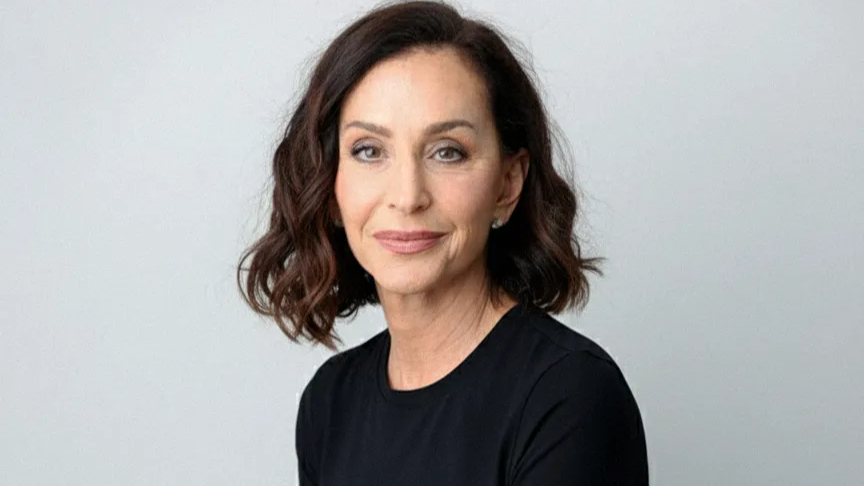
Led by Cindy Feinberg, CPC, CAI, with over 35 years of experience, our team provides the steady, expert hand needed during a family crisis. Whether you're navigating late-onset addiction in NYC, the Hamptons, or South Florida, our 24/7 "Elder Coach" approach offers a sophisticated alternative that respects the senior's history while securing their physical and mental well-being. You don't have to carry the weight of this crisis alone; a methodical, empathetic solution is ready to be implemented.
It's time to move from a state of distress toward organized relief, ensuring your loved one's legacy remains one of dignity and health.
Frequently Asked Questions
Is it too late for a senior to recover from long-term addiction?
It is never too late for an older adult to find a path to sobriety. The human brain remains resilient throughout the aging process, and many seniors find that late-life recovery brings a profound sense of renewed purpose. Our approach focuses on rebuilding quality of life rather than just clinical cessation. By addressing late-life triggers like grief or isolation, we help seniors navigate a dignified path toward health and sustainable daily routines.
How do I know if my parent is addicted or just having 'senior moments'?
Distinguishing between substance misuse and cognitive decline requires professional observation. While 'senior moments' are typically consistent, substance-related confusion often fluctuates based on consumption timing. Look for unexplained falls, sudden mood swings, or changes in sleep patterns. Specialized senior addiction support provides the diagnostic clarity needed to ensure your loved one isn't misdiagnosed with dementia when the actual issue is a treatable dependency or a dangerous interaction between prescription medications.
What is the difference between a recovery coach and a therapist for seniors?
Therapists typically focus on processing internal emotions and past trauma in a clinical office. In contrast, a recovery coach functions as a practical architect for the present. We work directly in the senior's environment to build accountability, manage daily routines, and coordinate their care systems. While therapy is a valuable tool, coaching provides the active, 'boots on the ground' support necessary to navigate the logistical challenges of maintaining sobriety in real-world settings.
Does The Recovery Coach NY work with families in both New York and Florida?
Yes, we provide seamless support across both regions, and beyond. Many of our clients are seasonal residents who travel between these locations, but we also often have clients in several other of the 50 states, and across Europe. We work to ensure that our client's recovery framework remains consistent during any travel or seasonal transitions. Our 24/7 sober companions and coaches are available worldwide to provide stable, localized oversight, protecting the client's progress regardless of where they are currently residing.
Can a recovery coach help manage my parent's multiple doctors and prescriptions?
Integrated mental health coordination is a cornerstone of the Elder Coach NY model. We act as a central liaison between neurologists, cardiologists, and primary care physicians to ensure every provider is aligned with the recovery plan. This prevents conflicting treatments and ensures that prescription medications don't inadvertently trigger a relapse. We manage the complex communication between specialists so that the family can focus on emotional support rather than medical logistics.
What happens if a senior refuses to leave their home for treatment?
Our model is specifically designed for seniors who prefer or require at-home care. We believe that the most sustainable recovery happens within the environment where the individual actually lives. By bringing specialized senior addiction support directly to their residence, we remove the trauma of institutionalization. This preserves their autonomy and dignity while allowing us to address the specific environmental triggers and daily habits that contribute to their substance use patterns.
How do sober companions work for elderly clients who need 24/7 care?
Sober companions provide a constant, supportive presence to ensure safety and accountability. For elderly clients, this often involves assisting with daily routines, providing safe transport to appointments, and preventing the isolation that often leads to substance use. They aren't clinical guards; they're trained professionals who integrate into the senior's lifestyle. This 24/7 oversight is particularly vital during high-risk periods, such as the first 90 days of sobriety or during major life transitions.
Why is the private-pay model better for senior addiction support than insurance?
Private-pay models offer a level of discretion and customization that insurance-based programs simply cannot match. Insurance often requires rigid clinical diagnoses and standardized treatment plans that ignore the nuances of geriatric care. By choosing a private model, families avoid public paper trails and gain access to concierge-level services. This allows for a bespoke recovery strategy that prioritizes the senior's unique needs and lifestyle over the restrictive requirements of institutional billing systems.


